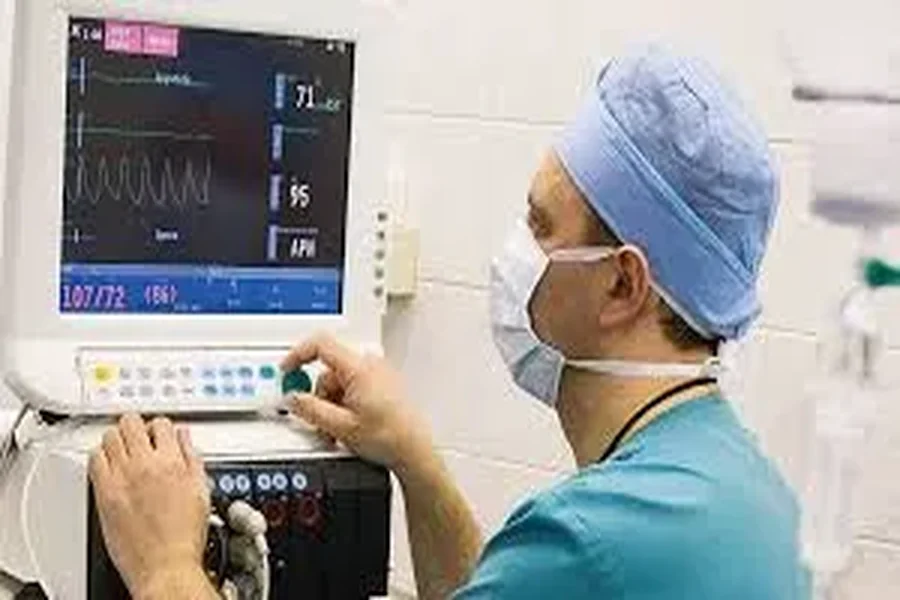
What Does anesthesia Tech Do is a question that is often asked by a person who wonders what careers in healthcare involve working behind the scenes but are of vital importance in taking care of patients. Anesthesia technicians assist anesthesiologists and nurse anesthetists to prepare equipment, keep supplies and make sure that everything is going well before, during and after medical operations at the hospitals and surgical centers. They do not necessarily be found in the limelight though are an invaluable contribution to patient safety and effective surgical procedures.
Teamwork is dependent on healthcare facilities. There are surgeons, nurses, anesthesiologists, and even technicians, each of whom has its duties. An anesthesia technician is more specific in terms of tools, technology and preparation involved in administration of anesthesia. The lack of their attention to detail might lead to delays or even safety risks of the procedures.
Knowledge of Anesthesia Technician Job.
An anesthesia technician or anesthesia technologist (certification and experience based) is a certified and trained medical worker that aids anesthesia practitioners. Their main task is to make sure that all equipment of anesthesia is clean, functional and in good condition.
The technician sets up anesthesia machines, monitors, ventilators, and medication delivery systems prior to the initiating of a procedure. They measure the oxygen levels, check the suction machines, and ensure that there are emergency equipment. This pre-planning can be used to avoid complications and provide anesthesia providers with an opportunity to pay absolute attention to the patient.
Anesthesia techs can be present during surgery or other medical procedures to offer assistance in case they need equipment to be adjusted. Then they sanitize and disinfect equipment, replenish the supply stocks and make the operating room ready to accept the next patient.
This is a position that involves technical information, attention to details and the capability to remain composed in swift environments.
Daily Responsibilities and Tasks
An anesthesia technician may encounter differing daily routine plans, which is dependant on the healthcare setting. Nevertheless, there are also fundamental duties that are common to all the hospitals and surgical facilities.
Equipment management is one of the main tasks. Anesthesia machines are sophisticated and they should work flawlessly. Technicians: technicians check and do basic troubleshooting. In case of a problem, they update biomedical engineers or supervisors.
Another important responsibility is supply management. Technicians make sure that drugs, airway equipment, IV supplies and monitors are adequately replenished. They monitor inventory and can get more supplies when required.
The job can also include patient supporting. They are not able to administer anesthesia, but they might assist in the placement of patients, placing of monitors, or taking people in and out of operating rooms.
It is also significant that documentation is done. To guarantee the adherence to the hospital policies and safety standards, technicians can document the equipment checks and maintenance records.
Education and Training Requirements
The anesthesia technician is more likely to undergo a high school diploma or its equivalent before the special training. The anesthesia technology is an associate degree or certificate course offered in many community colleges and vocational schools.
Some of the topics covered in training programs include medical terminology, anatomy and physiology, pharmacology foundations, and handling of equipment. Students get to know about anesthesia machines, patient monitoring systems and sterilization procedures.
A very important component of education is clinical experience. In training, the student can do stipulated hours in the hospitals to gain practical experience. This practical experience enables them to get to know how working rooms operate and the value of cooperation.
The certification is capable of enhancing employment opportunities. In other areas, practitioners seek certification by approved bodies in order to show professionalism. Although the certification requirements would differ according to the location, employers tend to favor jobs applicants who are formally trained and certified.
Skills Needed for Success
Aesthetic technicians require both technical and personal attributes to perform. One of the most crucial skills is the attention to detail. The slightest lack of care in equipment preparation may influence patient safety.
Good communication skills are also required. Technicians should be able to liaise with anesthesiologists, nurses and surgical staff. The communication should be clear so that everybody can know the health of equipment and supplies.
Creativity to solve problems can be used in case of technical failures or unforeseen circumstances. The technicians should be able to think on their feet and perform effectively whilst remaining composed.
Physical strength may also count. The work can entail working on long periods, lifting machines and helping patients move around.
And, finally, professionalism and empathy are also important. Though the work is mostly technical, the technicians have to deal with patients who might be nervous prior to surgery. It can make the difference of a nice and friendly presence.
Work Environment and Career Outlook
Anesthesia technicians are normally found in hospitals, out-patient surgical centers and specialty clinics. The most frequent place of use is operating rooms, although they can be used in the emergency department, labor and delivery, or intensive care unit.
It can be a working schedule involving evenings, weekends, and holidays particularly in the 24-hour working hospitals. Emergencies can involve the situation when technicians can have to act fast and adjust to new conditions.
Opportunities to grow their career are there to the ones who become experienced and acquire further education. Others are promoted to anesthesia technologists who have increased duties. There are other options where others can undertake additional medical training in other areas like nursing or respiratory care.
Since the healthcare provision will keep growing, auxiliary functions such as anesthesia technicians have a role to play. Such operations and diagnostic services that are subject to sedation are very frequent; thus, it contributes to regular demand of trained specialists.
Salary Expectations and Job Satisfaction
The anesthesia technicians may have a different salary based on places, experience, and education. Generally, individuals in big hospitals or metropolis can have better remunerations as compared to those working in small hospitals.
Entry-level technicians normally begin at a mid-range salary, although with certification, experience and specialization income may also rise. Full-time jobs usually come with benefits like health insurance, retirement plans and paid time off.
A significant number of anesthesia technicians note that job satisfaction is very high since they are directly involved in patient safety and successful completion of surgery. They might not be doing the work themselves, but their efforts make sure that the anesthesia providers do not have any technical barriers in their work.
The position is a valuable opportunity to make a significant contribution to healthcare without a time-consuming education that a doctor or a nurse would need.
Final Thought
Understanding What Does an Anesthesia Tech Do reveals how vital this role is within modern healthcare. Anesthesia technicians support life-saving procedures by preparing and maintaining essential equipment, managing supplies, and assisting medical teams. Their technical expertise, attention to detail, and teamwork help create a safe environment for patients undergoing surgery or other procedures. For individuals interested in healthcare careers that combine technology, responsibility, and patient support, becoming an anesthesia technician can be a rewarding and stable path.
FAQs
What does an anesthesia tech do before surgery?
An anesthesia tech prepares and checks anesthesia machines, monitors, and emergency equipment to ensure everything is functioning properly before a procedure begins.
Does an anesthesia technician administer anesthesia?
No, anesthesia technicians do not administer anesthesia; they assist licensed anesthesia providers by preparing equipment and supplies.
How long does it take to become an anesthesia technician?
It typically takes one to two years to complete a certificate or associate degree program in anesthesia technology.
Is certification required to work as an anesthesia tech?
Certification requirements vary by region, but many employers prefer candidates who have completed accredited training and obtained professional credentials.
Where do anesthesia technicians usually work?
They commonly work in hospitals, outpatient surgical centers, and specialty clinics where procedures requiring anesthesia are performed.
What skills are important for an anesthesia technician?
Attention to detail, communication skills, technical knowledge, and the ability to remain calm under pressure are essential for success in this role.