As the fashion industry faces growing concerns about its environmental impact, the demand for sustainable clothing continues to rise. Conscious consumers, informed by the environmental and ethical consequences of their purchases, are shifting toward more responsible fashion choices. As a result, the future of sustainable clothing is not just about eco-friendly materials but also about innovative designs, ethical production practices, and advancements in technology that work together to create a more sustainable and inclusive fashion industry. This article will explore the key sustainable clothing trends that are shaping the future of fashion and how they will influence the way we buy, wear, and dispose of clothing.
What Is Sustainable Clothing?
Sustainable clothing, often referred to as eco-fashion, involves garments made with the intention of minimizing environmental impact, using materials that are ethically sourced, and prioritizing durability over disposability. This can include using organic fabrics, recycled materials, or innovative new textiles that reduce harm to the planet. Sustainable clothing also emphasizes fair labor practices and aims to ensure that the production process respects the rights and well-being of workers.
The shift toward sustainable clothing is fueled by a growing awareness of the negative environmental impact of fast fashion, which is responsible for pollution, excessive waste, and exploitation in the supply chain. With this in mind, several exciting trends are beginning to emerge that point toward a more sustainable, ethical, and circular fashion future.
Key Trends Shaping the Future of Sustainable Clothing
Circular Fashion: From Linear to Circular
One of the most exciting developments in the sustainable fashion industry is the transition from a linear fashion model—where clothes are produced, consumed, and then discarded—to a circular model. The concept of circular fashion involves designing garments that can be easily reused, recycled, or repurposed at the end of their life. The goal is to create a closed-loop system where the lifecycle of a garment is extended, reducing waste and minimizing the need for virgin resources.
Key features of circular fashion include:
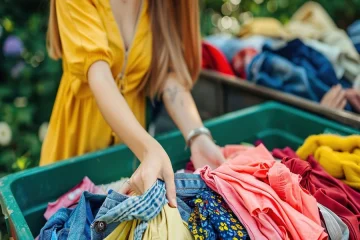
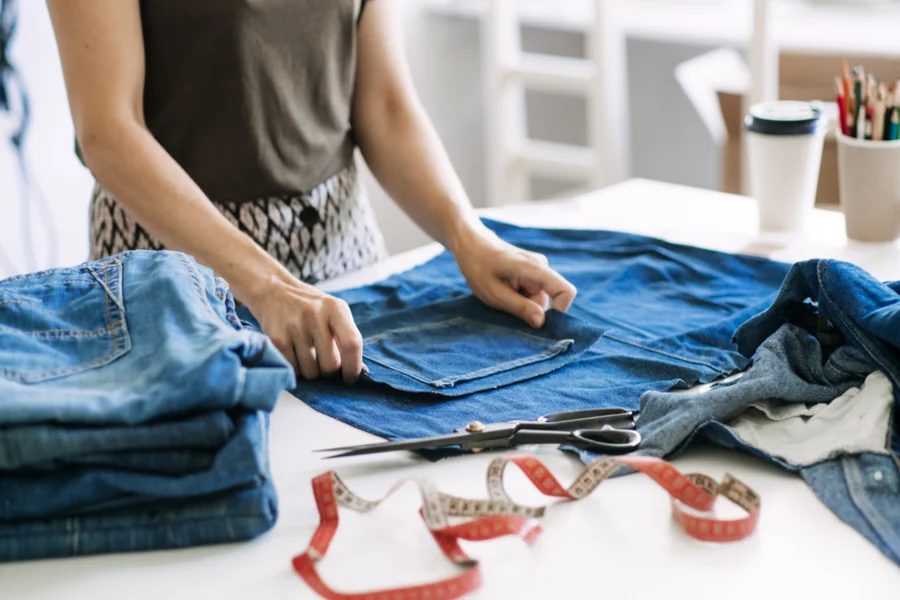
- Recycling and upcycling: Brands are focusing on using recycled fabrics and materials to create new garments, reducing the demand for raw materials and diverting textiles from landfills.
- Take-back programs: Many brands are now offering take-back or clothing return programs, where customers can send back their old clothes for recycling or repurposing.
- Repair and refurbishment: Rather than discarding worn-out clothing, repair services are growing in popularity, allowing consumers to fix garments and extend their lifespan.
The circular fashion model encourages a more sustainable approach by designing products that have a longer lifespan, can be recycled, or can be given a second life through upcycling.
Use of Innovative and Sustainable Materials
The future of sustainable clothing is heavily reliant on the development of innovative fabrics that are both eco-friendly and functional. Over the past decade, textile technology has made significant strides, and fashion brands are now exploring a range of sustainable materials that offer better environmental and performance benefits than traditional fabrics.
- Hemp: One of the oldest known fibers, hemp is gaining popularity as a sustainable alternative to cotton due to its low water consumption and minimal need for pesticides.
- Organic Cotton: Grown without synthetic chemicals, organic cotton is environmentally friendly and promotes soil health. It also uses less water than conventional cotton farming.
- Tencel (Lyocell): A biodegradable fabric made from sustainably sourced wood pulp, Tencel uses a closed-loop process, which means that the chemicals used in its production are recycled, reducing waste and pollution.
- Recycled Fabrics: Fabrics made from recycled materials, such as recycled polyester (often sourced from plastic bottles) or recycled cotton, reduce the need for virgin resources and help divert textile waste from landfills.
- Mushroom Leather (Mycelium Leather): The fashion industry is beginning to explore the use of mycelium leather, a material made from the root structure of fungi, as an alternative to animal leather. This material is biodegradable, cruelty-free, and requires far fewer resources than traditional leather production.
- Algae-Based Fabrics: Fashion innovators are experimenting with fabrics derived from algae, which offer a sustainable, biodegradable option for the future of textiles.
As innovation continues, the future of sustainable clothing will see more biodegradable, recyclable, and resource-efficient materials entering the mainstream fashion market.
Transparent and Ethical Supply Chains
Consumers are becoming more conscious of where and how their clothes are made. As part of the push for greater accountability, fashion brands are embracing supply chain transparency. This trend focuses on providing consumers with clear and detailed information about the production processes, materials, and labor involved in creating garments.
The trend toward ethical fashion is being driven by the increasing demand for transparency. Consumers are looking for brands that prioritize fair wages, safe working conditions, and humane treatment of workers throughout the production process.
Brands are responding by:
- Adopting fair labor practices and ensuring that workers are paid fairly and work in safe environments.
- Openly disclosing supply chain information, including where the materials are sourced, how they are produced, and who is involved in the manufacturing process.
- Certifications such as Fair Trade, B Corp, and Global Organic Textile Standard (GOTS) are becoming more common, as these certifications provide consumers with proof of a brand’s ethical and environmental commitments.
As consumers demand greater accountability, more brands will likely follow suit by embracing transparent and ethical practices, making it easier for shoppers to make informed purchasing decisions.
Fashion Rental and Clothing Subscription Services
In an effort to combat the environmental burden of overconsumption, clothing rental services and subscription models are rapidly gaining traction. These services allow consumers to rent high-quality garments for a specific period rather than purchasing them outright, thus reducing the need for constant buying and discarding of clothing.
Clothing rental services are particularly popular in the luxury fashion market, where individuals can wear high-end items without the environmental cost of buying and discarding expensive pieces. Similarly, subscription services are enabling consumers to refresh their wardrobes without contributing to fast fashion waste. These models encourage sharing, reuse, and access over ownership, helping to extend the lifespan of clothing and reduce overall consumption.
Slow Fashion Movement
While fast fashion has been a dominant force in the industry for decades, the slow fashion movement is rapidly gaining momentum. Slow fashion advocates for a more thoughtful, deliberate approach to fashion consumption, prioritizing quality over quantity and advocating for timeless pieces that won’t go out of style after one season.
Key principles of slow fashion include:
- Buy less, choose wisely: Consumers are encouraged to purchase only what they truly need, opting for high-quality, versatile pieces that can be worn for years.
- Local and small-scale production: Slow fashion supports local artisans and smaller-scale, independent designers who focus on sustainability and fair labor practices.
- Sustainable design: Designers are creating clothing with longer lifespans, using materials that can withstand wear and tear, and designing garments that can be easily recycled or repurposed.
The slow fashion movement is reshaping the future of fashion by promoting a more intentional and less wasteful approach to garment production and consumption.
Consumer Education and Advocacy
As consumers become more educated about the environmental and social impacts of their purchases, consumer advocacy will play a crucial role in the future of sustainable fashion. This will include campaigns aimed at promoting sustainable practices, encouraging brands to adopt eco-friendly policies, and raising awareness about the environmental impact of fast fashion.
Increased digital literacy and social media advocacy will allow consumers to hold brands accountable and push for positive change within the fashion industry. As a result, fashion brands will be incentivized to adopt more sustainable practices, innovate with eco-friendly materials, and improve their labor practices in response to consumer demand.
Conclusion
The future of sustainable clothing trends holds exciting potential for transforming the fashion industry. From circular fashion and innovative materials to ethical supply chains and fashion rentals, the landscape of fashion is evolving toward a more responsible, eco-friendly, and ethical future. Consumers are increasingly demanding more from fashion brands, and the industry is responding with innovative solutions that prioritize the planet and its people.
As these sustainable trends continue to grow and evolve, the fashion industry will be better equipped to tackle the challenges of climate change, resource depletion, and human rights abuses. By embracing these sustainable fashion trends, we can collectively shape a future where fashion not only reflects our personal style but also contributes positively to the world around us.